
Peptide Blog

Research Product Quality Standards: A Practical Guide for Laboratories and Scientific Purchasers
Research product quality standards help laboratories evaluate materials, reagents, instruments, and consumables for suitability and consistency. This guide explains practical criteria for documentation, traceability, validation, storage, and supplier review.
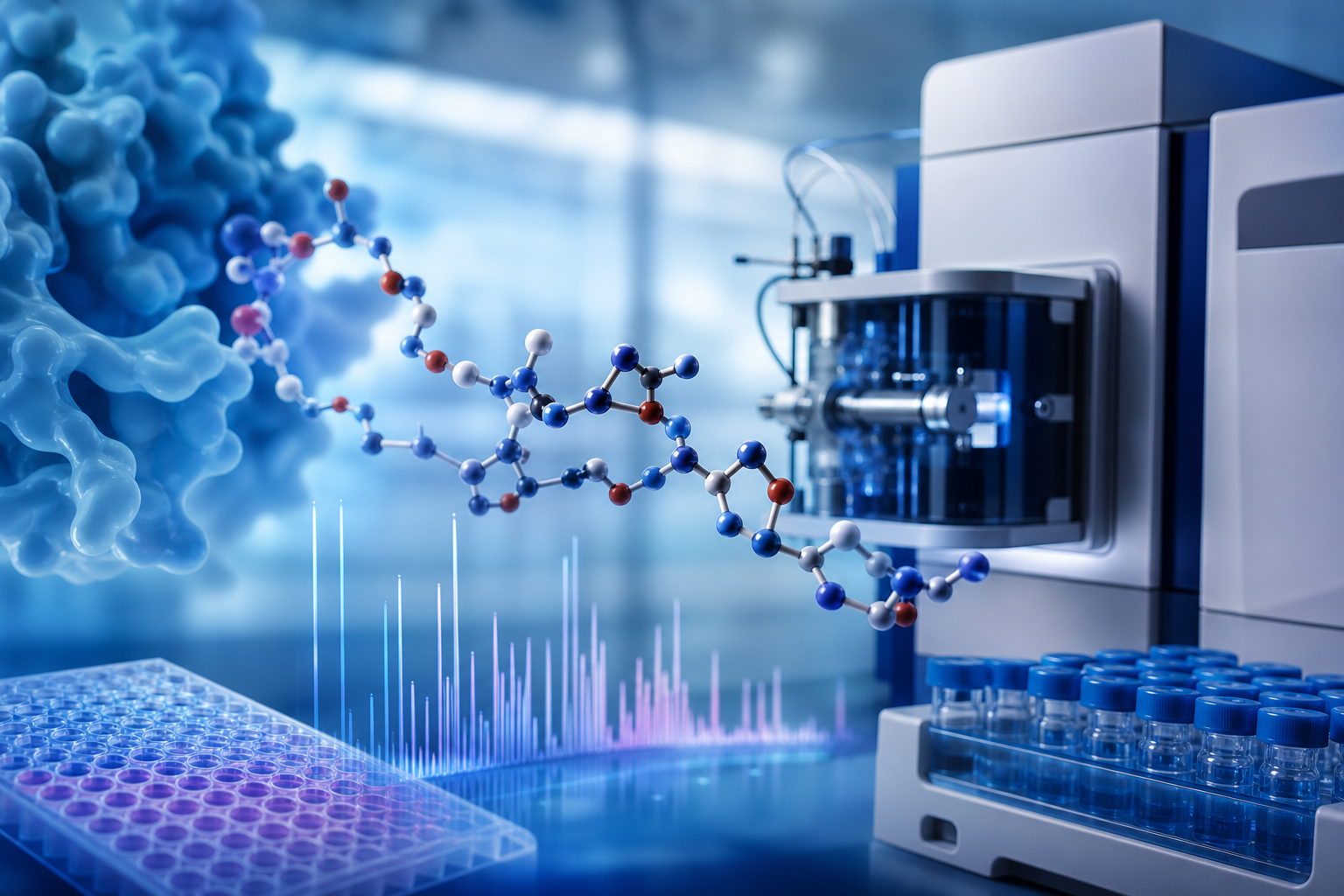
Peptide Characterization Techniques
Peptide characterization combines orthogonal analytical techniques to confirm identity, assess purity, quantify content, and monitor stability. This overview explains how LC-MS, HPLC, sequencing, spectroscopy, and related methods support reliable peptide evaluation.

Laboratory Research Best Practices: A Practical Guide
A practical overview of laboratory research best practices for improving data quality, safety, traceability, and reproducibility. This guide covers study design, SOPs, documentation, equipment management, and continuous improvement.

Scientific Validation Methods: Principles, Approaches, and Documentation
Scientific validation methods demonstrate whether laboratory methods, instruments, processes, software, and models are fit for their intended purpose. This article reviews core approaches, study design, statistics, and documentation practices.

Understanding Manufacturing Standards
Manufacturing standards help laboratories and institutions evaluate product quality, documentation, traceability, and regulatory suitability. Understanding these frameworks supports more informed procurement and supplier qualification decisions.
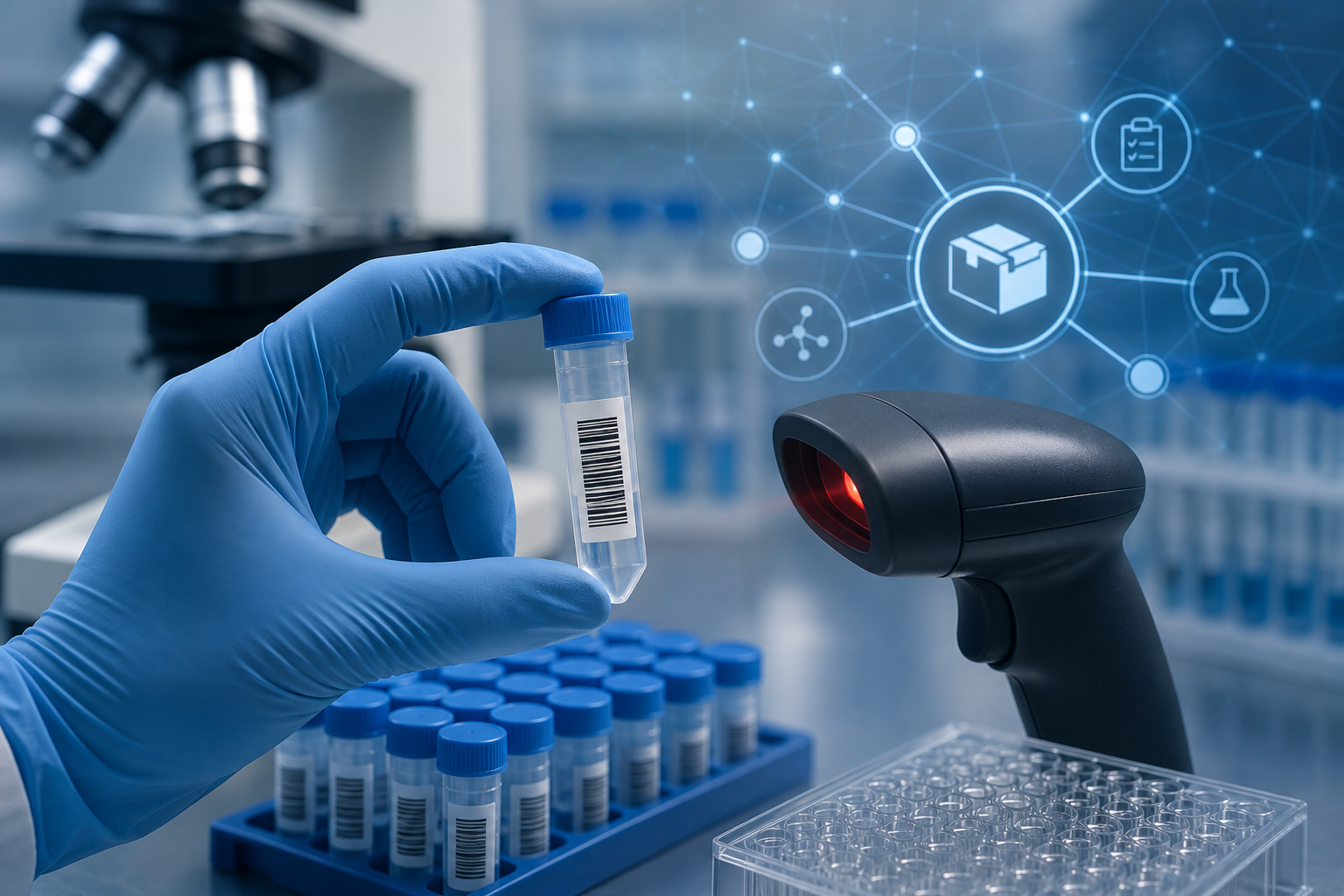
Product Traceability in Research Materials
Product traceability connects research materials to their origin, quality documentation, handling history, and experimental use. Strong traceability practices support reproducibility, compliance readiness, and risk management in laboratory workflows.

Freeze-Dried Peptides Explained: Lyophilization, Storage, and Reconstitution
Freeze-dried peptides are dehydrated by lyophilization to improve stability and handling. This guide explains how they are made, stored, reconstituted, and documented in research laboratories.
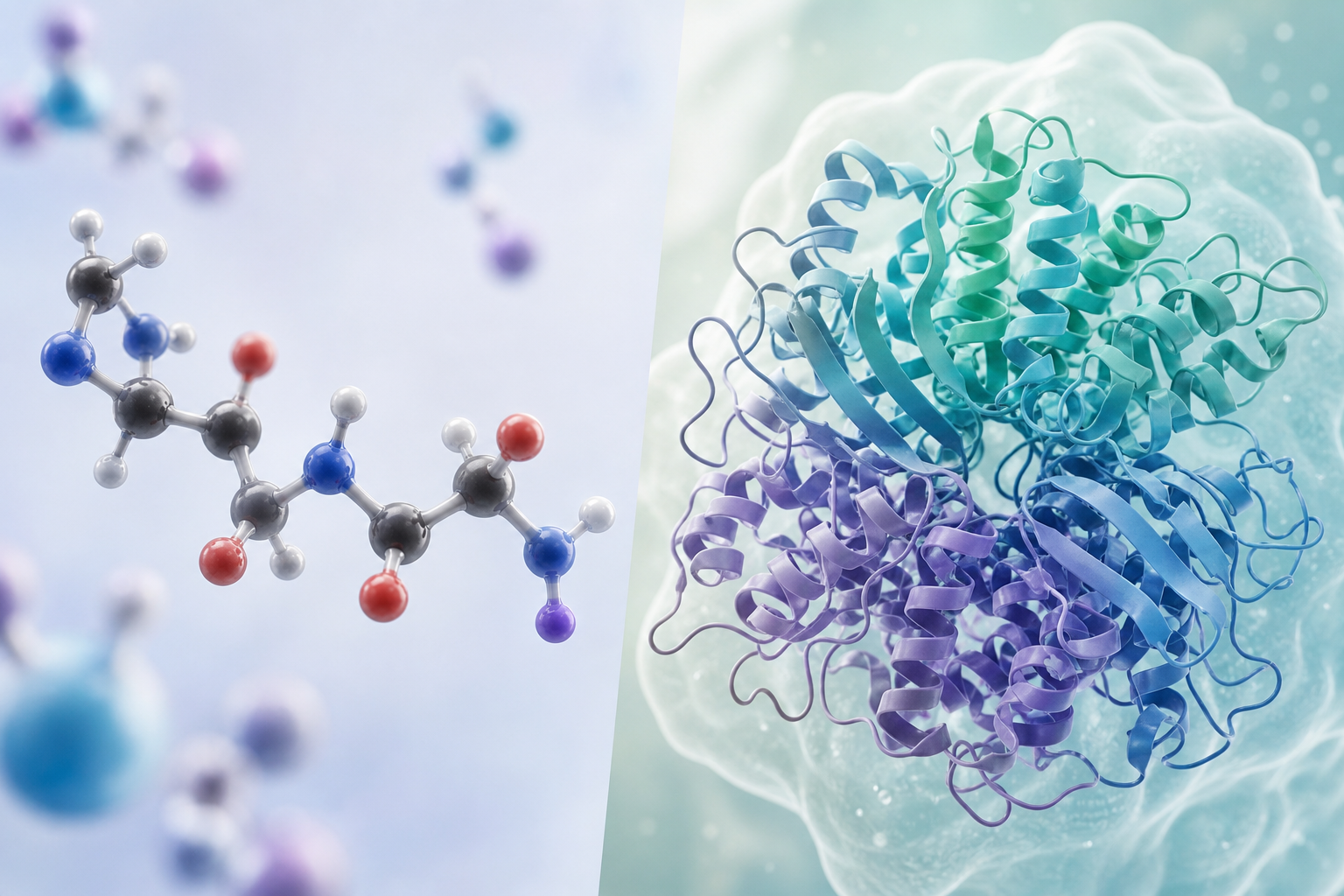
How Peptides Differ From Proteins
Peptides and proteins are both amino acid-based biomolecules, but they differ in size, structure, function, production, and analytical requirements. Understanding these distinctions supports better experimental design and reagent selection.

Chain of Custody for Research Materials: Principles, Documentation, and Best Practices
Chain of custody records help laboratories document the identity, handling, storage, transfer, and disposition of research materials. This article outlines practical controls for traceability, quality assurance, and compliance.
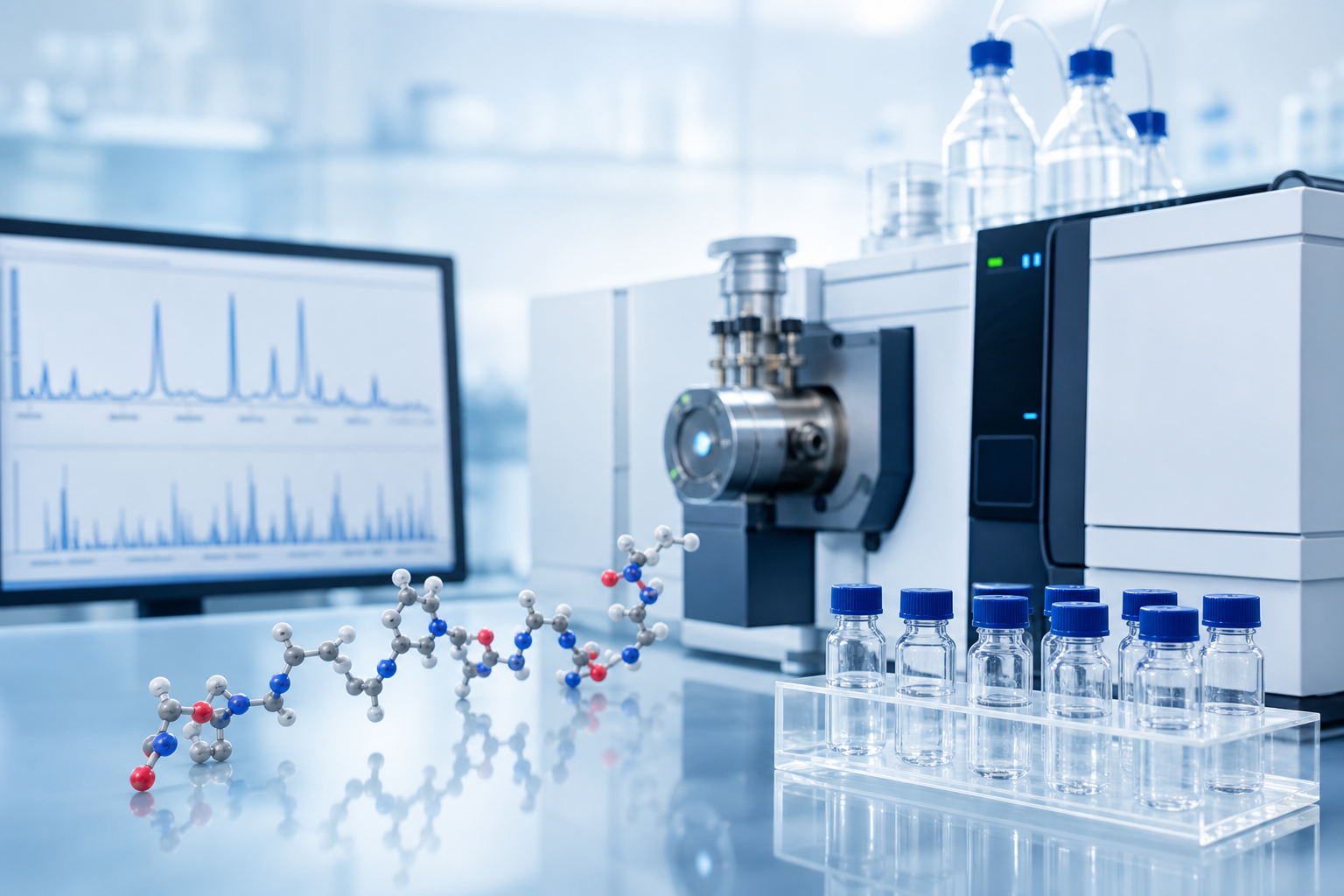
Peptide Analytical Testing Methods: A Practical Guide for Research and Quality Control
Peptide analytical testing combines chromatographic, mass spectrometric, spectroscopic, and functional methods to evaluate identity, purity, content, impurities, and stability. This guide summarizes common techniques and practical considerations for research and quality control laboratories.

Scientific Quality Standards Explained
Scientific quality standards provide the framework for reliable data, traceable measurements, and controlled laboratory processes. This article explains key standards, principles, and purchasing considerations for scientific organizations.

Quality Control Laboratory Testing: Methods, Standards, and Best Practices
Quality control laboratory testing supports product quality, compliance, and scientific decision-making. This article reviews common QC test types, workflows, standards, validation, data integrity, and laboratory selection considerations.

Long-Term Peptide Storage Considerations
Long-term peptide stability depends on storage format, temperature, moisture control, oxygen exposure, solvent selection, and handling practices. This guide outlines practical considerations for preserving peptide quality in research laboratories.

Peptide Identity Testing Methods
Peptide identity testing confirms that a sample matches the intended sequence, mass, and structural features. This overview compares major analytical methods and explains how orthogonal workflows support reliable peptide characterization.

Research Material Verification Process: A Practical Guide for Laboratories
Research material verification helps laboratories confirm identity, quality, documentation, and suitability before use. This guide outlines a risk-based process for testing, traceability, and release decisions.
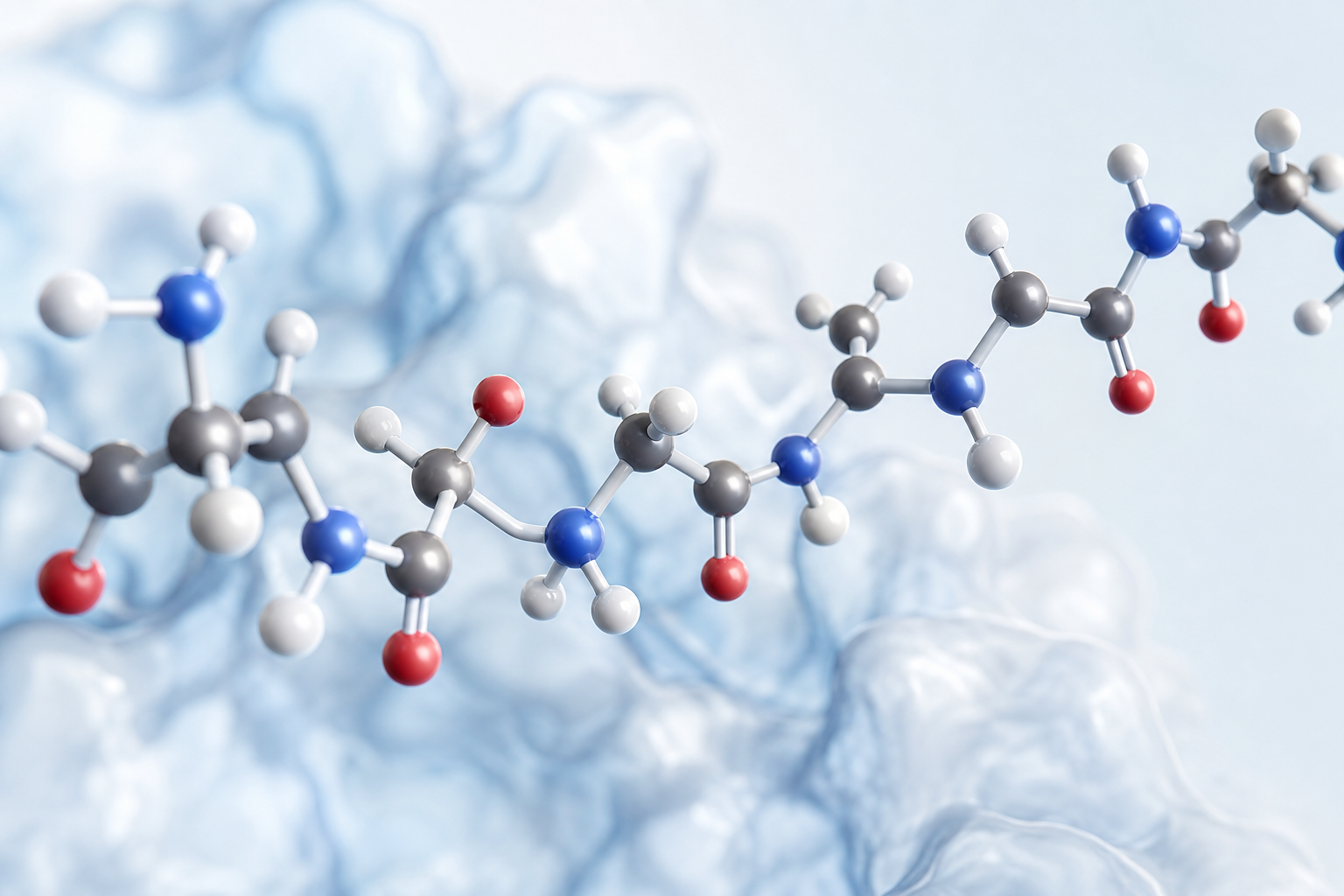
Understanding Peptide Chains
Peptide chains are amino acid sequences linked by peptide bonds and are essential to protein structure, biological signaling, and laboratory research. This overview explains their chemistry, structure, synthesis, analysis, and handling considerations.

Batch Traceability Explained: Principles, Records, and Practical Implementation
Batch traceability links materials, processes, quality data, and distribution records to a defined lot or batch. This article explains the key principles, records, technologies, and best practices used to support reliable traceability in laboratory and regulated environments.
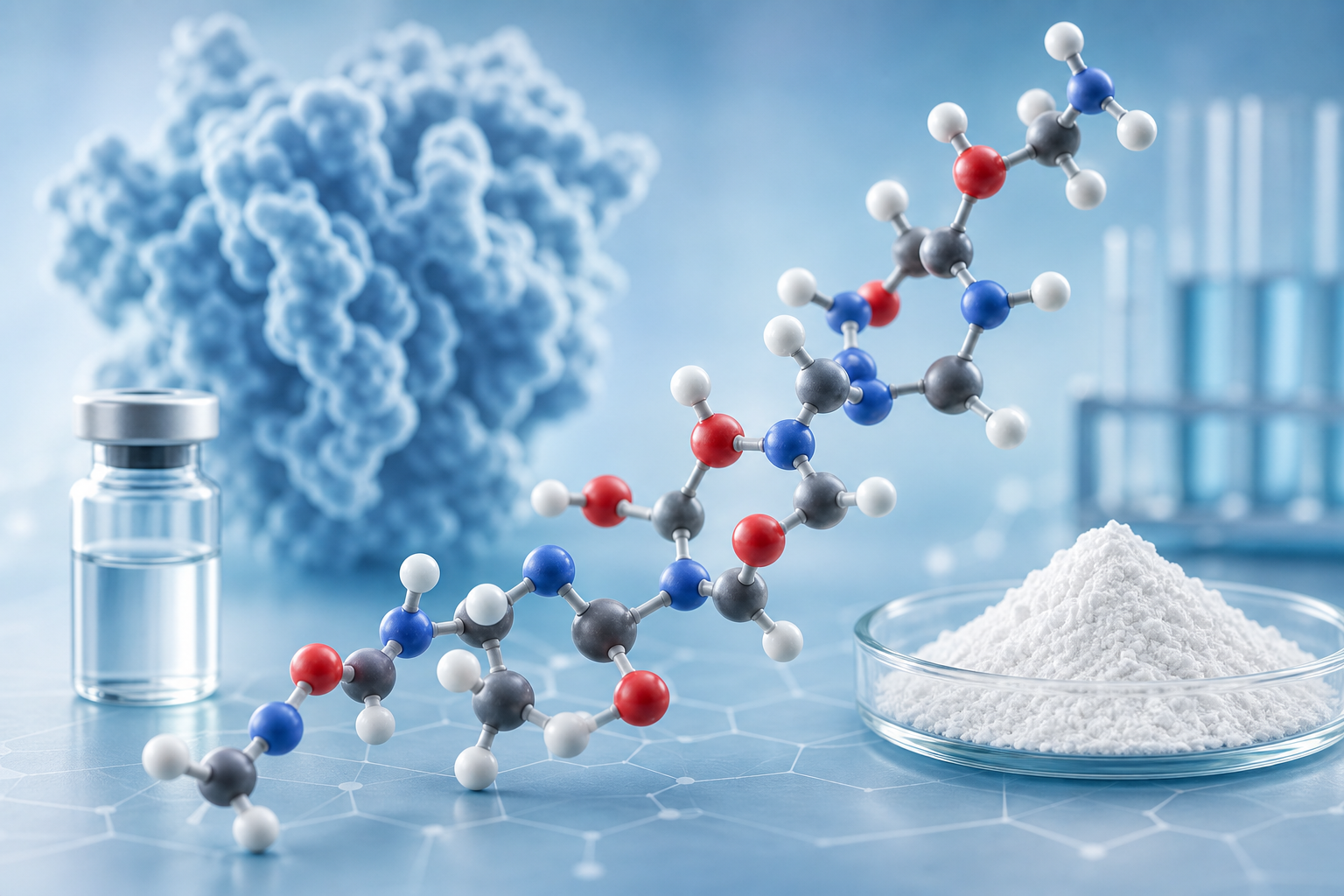
Synthetic Peptides Explained
Synthetic peptides are chemically produced amino acid chains used across biochemical, analytical, and cellular research. This article explains their synthesis, purification, characterization, specifications, and handling considerations.

High Purity Peptides Guide
This guide explains how high purity peptides are defined, produced, analyzed, and selected for research applications. It also covers documentation, storage, handling, and common impurity considerations.

Laboratory Inventory Management: Principles, Workflows, and Best Practices
Laboratory inventory management supports reliable research, safety, and compliance by controlling materials from receipt through disposal. This guide outlines practical workflows, data requirements, technology options, and best practices for laboratory teams.
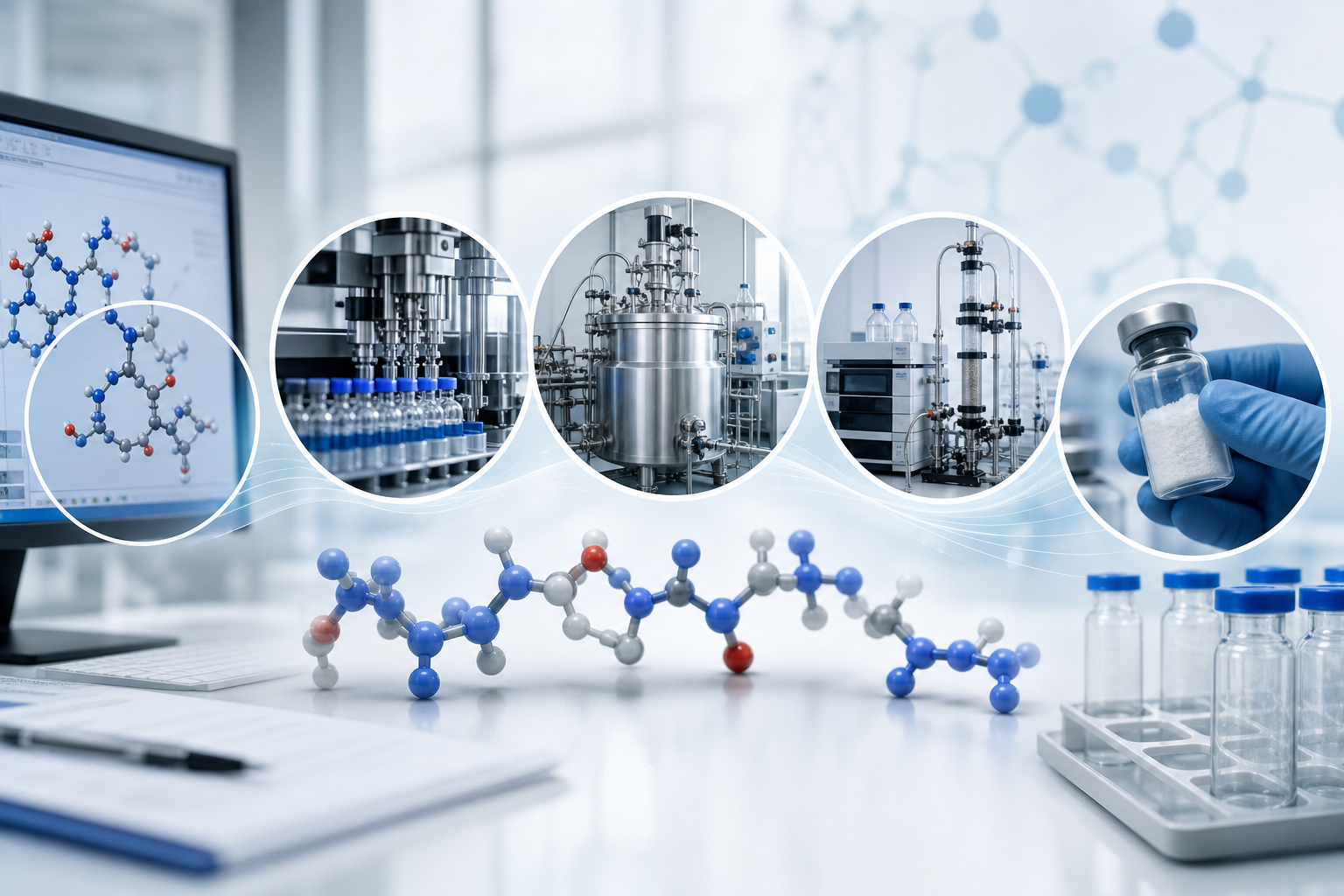
Peptide Manufacturing Process: From Sequence Design to Quality Control
Peptide manufacturing involves controlled synthesis, purification, and analytical testing to produce peptides that meet defined identity and purity requirements. This overview explains the major process steps from sequence design through GMP documentation.