
Research Library
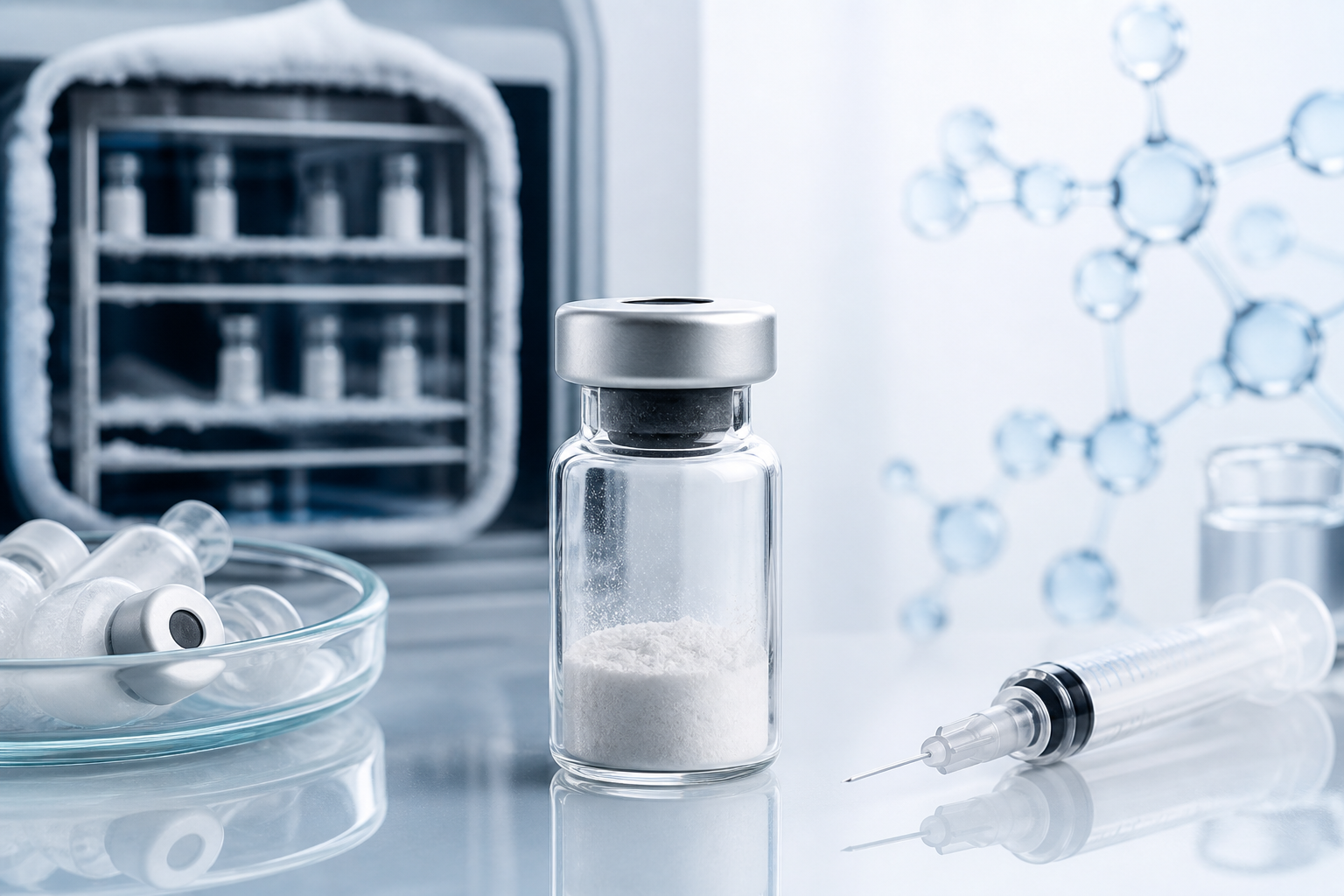
Freeze-Dried Peptides Explained: Lyophilization, Storage, and Reconstitution
Freeze-dried peptides are dehydrated by lyophilization to improve stability and handling. This guide explains how they are made, stored, reconstituted, and documented in research laboratories.
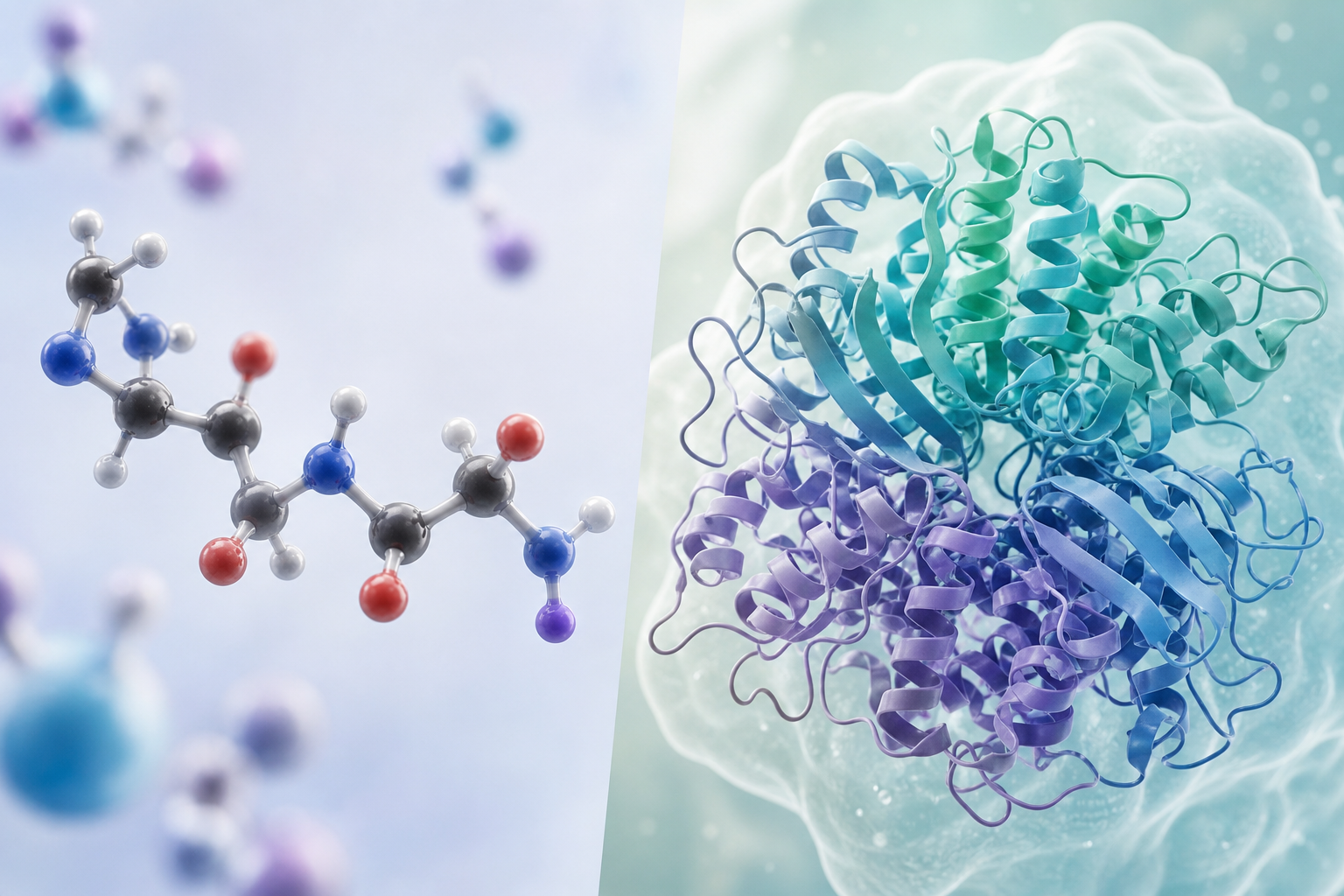
How Peptides Differ From Proteins
Peptides and proteins are both amino acid-based biomolecules, but they differ in size, structure, function, production, and analytical requirements. Understanding these distinctions supports better experimental design and reagent selection.
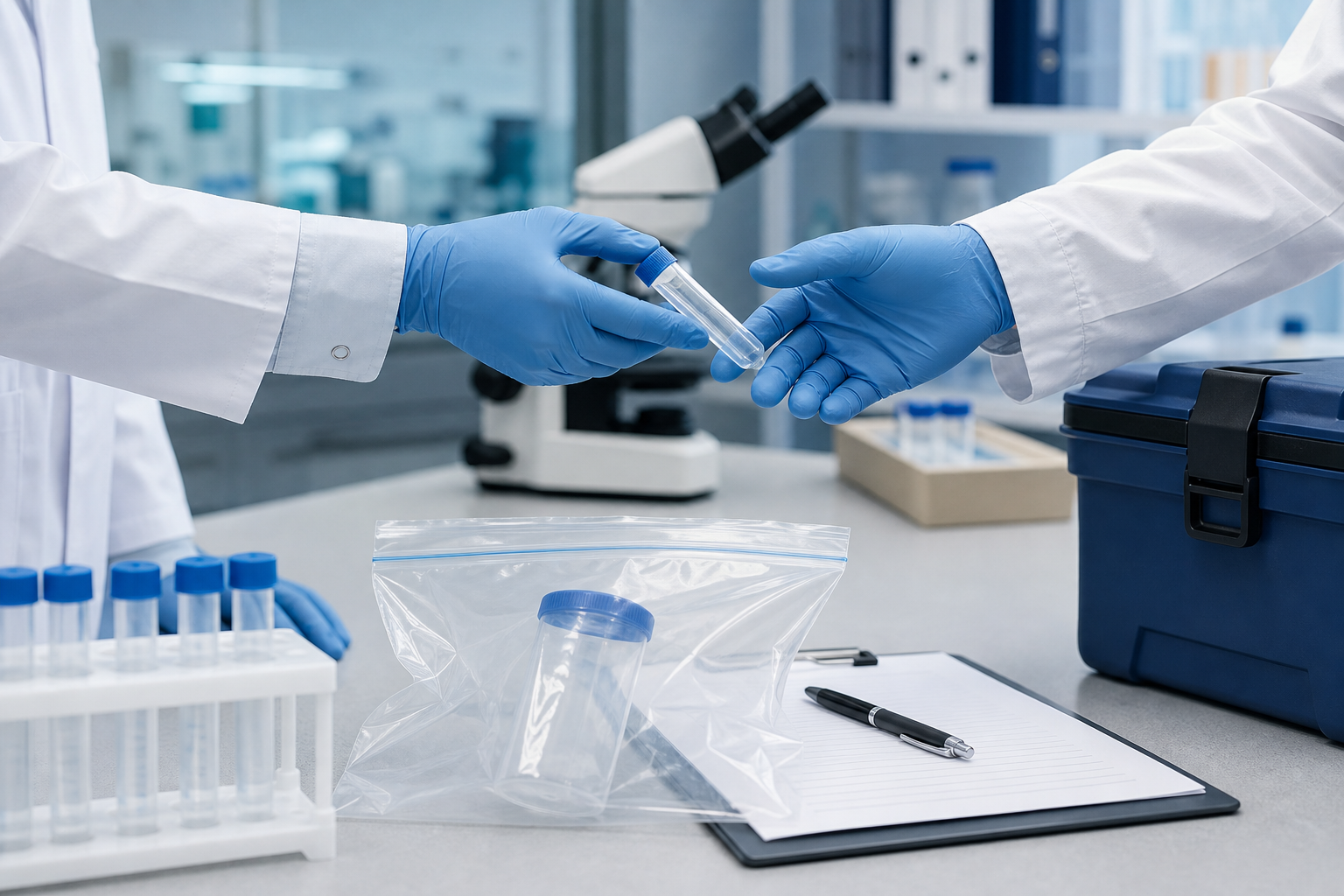
Chain of Custody for Research Materials: Principles, Documentation, and Best Practices
Chain of custody records help laboratories document the identity, handling, storage, transfer, and disposition of research materials. This article outlines practical controls for traceability, quality assurance, and compliance.
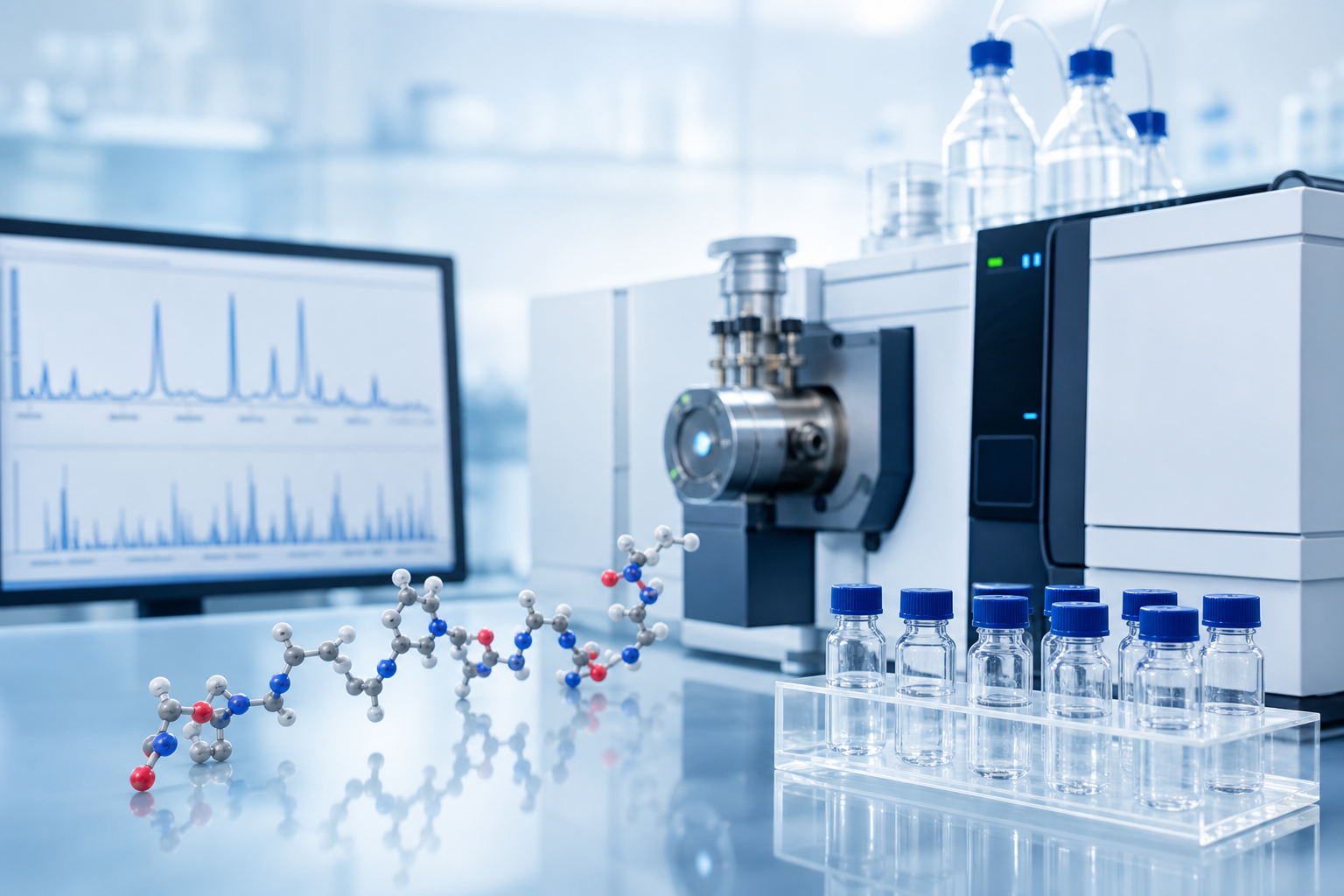
Peptide Analytical Testing Methods: A Practical Guide for Research and Quality Control
Peptide analytical testing combines chromatographic, mass spectrometric, spectroscopic, and functional methods to evaluate identity, purity, content, impurities, and stability. This guide summarizes common techniques and practical considerations for research and quality control laboratories.
Scientific Quality Standards Explained
Scientific quality standards provide the framework for reliable data, traceable measurements, and controlled laboratory processes. This article explains key standards, principles, and purchasing considerations for scientific organizations.

Quality Control Laboratory Testing: Methods, Standards, and Best Practices
Quality control laboratory testing supports product quality, compliance, and scientific decision-making. This article reviews common QC test types, workflows, standards, validation, data integrity, and laboratory selection considerations.