


Peptide Laboratory Handling Procedures
A practical overview of peptide laboratory handling procedures, including receipt, storage, reconstitution, aliquoting, safety, and documentation. Designed for research laboratories seeking consistent and traceable peptide workflows.

The Role of Peptides in Scientific Research
Peptides are versatile research tools used to study molecular recognition, cell signaling, enzyme activity, immune responses, and translational mechanisms. This article reviews their major applications, design considerations, and quality requirements in scientific research.

Temperature Effects on Peptide Stability
Temperature is a key factor in peptide stability, influencing chemical degradation, aggregation, and freeze-thaw behavior. This article explains practical considerations for storage, handling, and stability testing.

Quality Documentation Requirements: A Practical Guide for Laboratories and Scientific Purchasers
Quality documentation requirements define how laboratories and scientific organizations control documents, maintain records, and demonstrate traceability. This guide explains key requirements for SOPs, records, supplier documentation, retention, and audit readiness.

Maintaining Research Documentation: Practical Guidance for Reliable Scientific Records
Maintaining research documentation is essential for reproducibility, traceability, and reliable scientific decision-making. This guide outlines practical recordkeeping principles for laboratories and research institutions.

Research Product Quality Standards: A Practical Guide for Laboratories and Scientific Purchasers
Research product quality standards help laboratories evaluate materials, reagents, instruments, and consumables for suitability and consistency. This guide explains practical criteria for documentation, traceability, validation, storage, and supplier review.

Peptide Characterization Techniques
Peptide characterization combines orthogonal analytical techniques to confirm identity, assess purity, quantify content, and monitor stability. This overview explains how LC-MS, HPLC, sequencing, spectroscopy, and related methods support reliable peptide evaluation.

Laboratory Research Best Practices: A Practical Guide
A practical overview of laboratory research best practices for improving data quality, safety, traceability, and reproducibility. This guide covers study design, SOPs, documentation, equipment management, and continuous improvement.

Scientific Validation Methods: Principles, Approaches, and Documentation
Scientific validation methods demonstrate whether laboratory methods, instruments, processes, software, and models are fit for their intended purpose. This article reviews core approaches, study design, statistics, and documentation practices.

Understanding Manufacturing Standards
Manufacturing standards help laboratories and institutions evaluate product quality, documentation, traceability, and regulatory suitability. Understanding these frameworks supports more informed procurement and supplier qualification decisions.
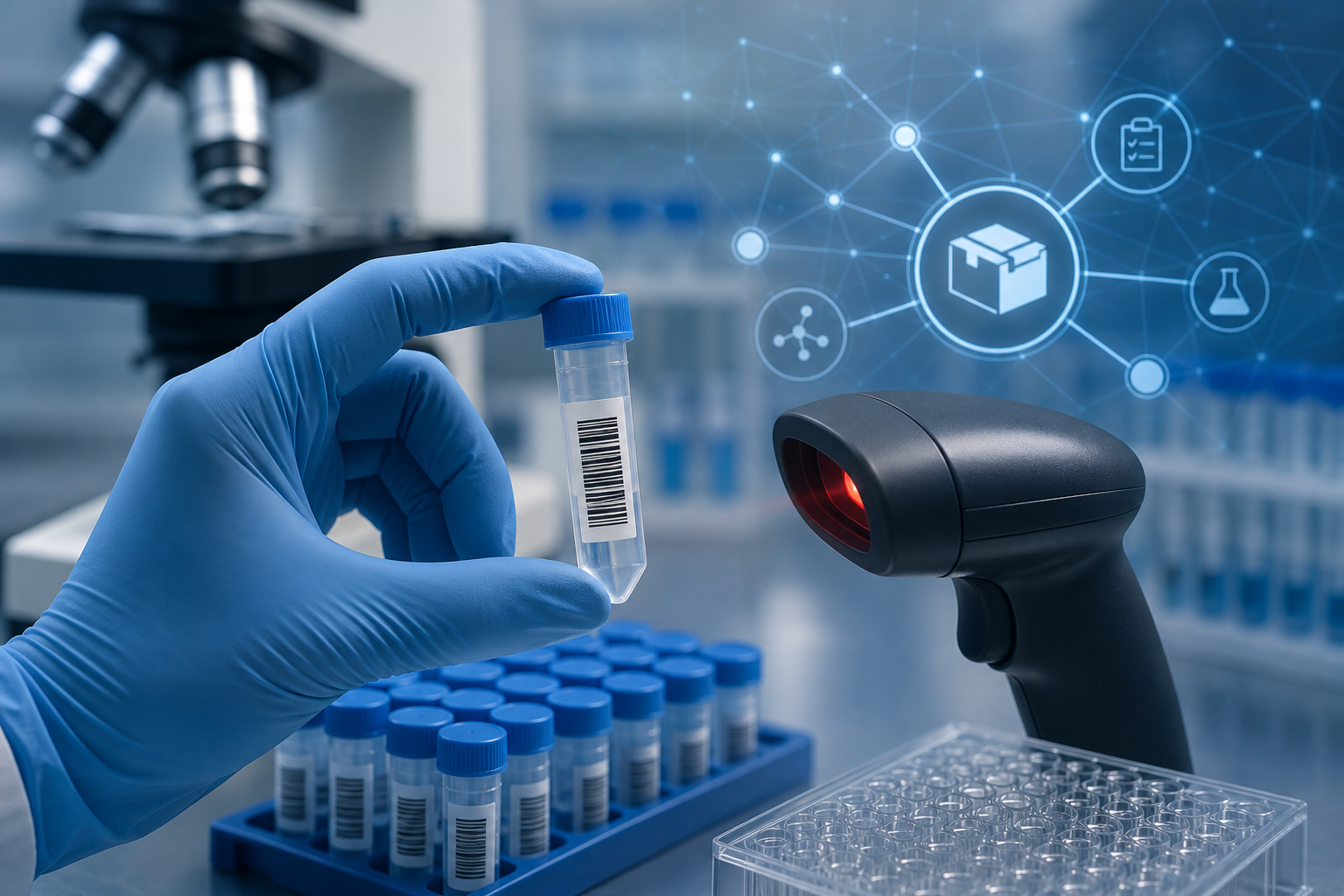
Product Traceability in Research Materials
Product traceability connects research materials to their origin, quality documentation, handling history, and experimental use. Strong traceability practices support reproducibility, compliance readiness, and risk management in laboratory workflows.
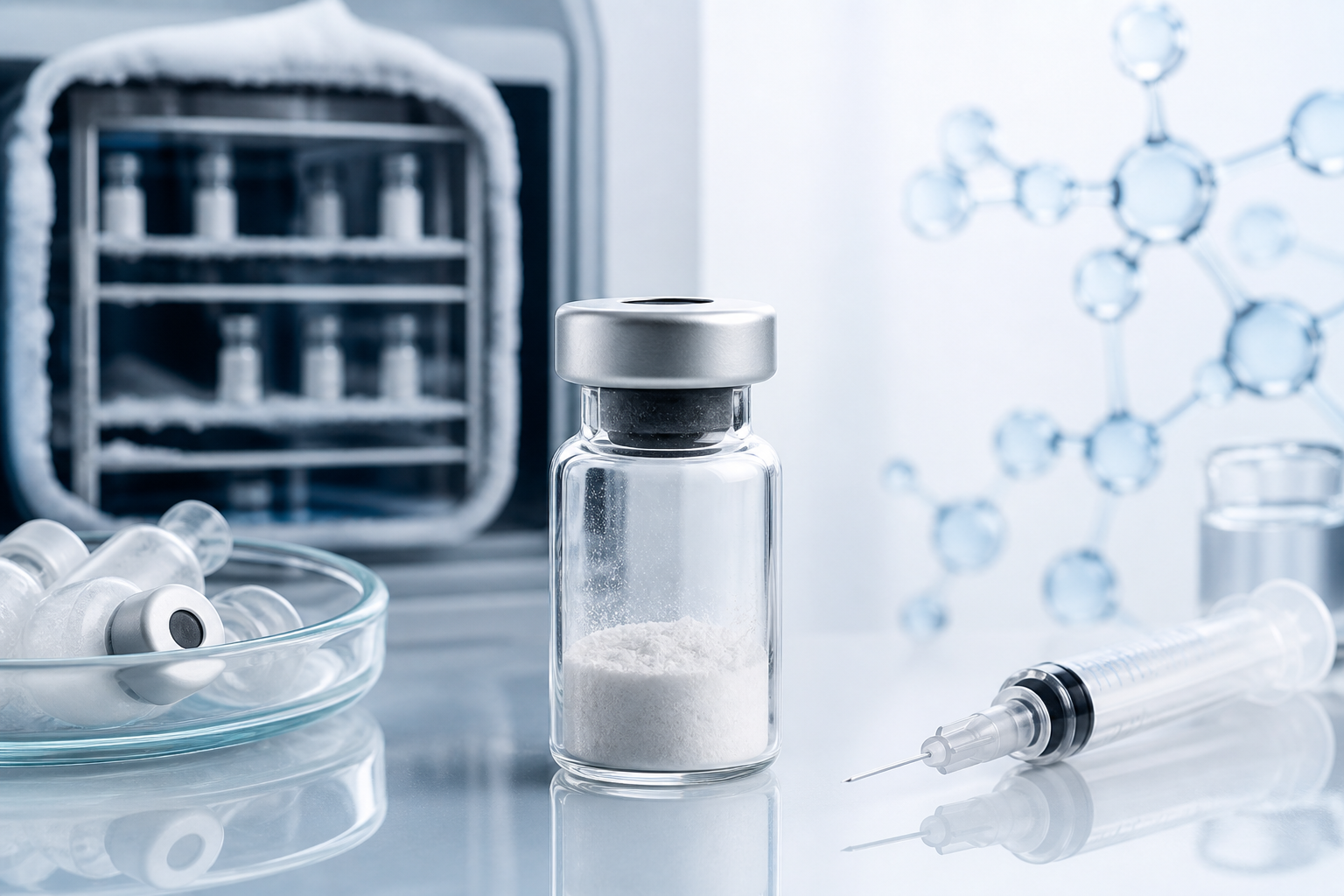
Freeze-Dried Peptides Explained: Lyophilization, Storage, and Reconstitution
Freeze-dried peptides are dehydrated by lyophilization to improve stability and handling. This guide explains how they are made, stored, reconstituted, and documented in research laboratories.