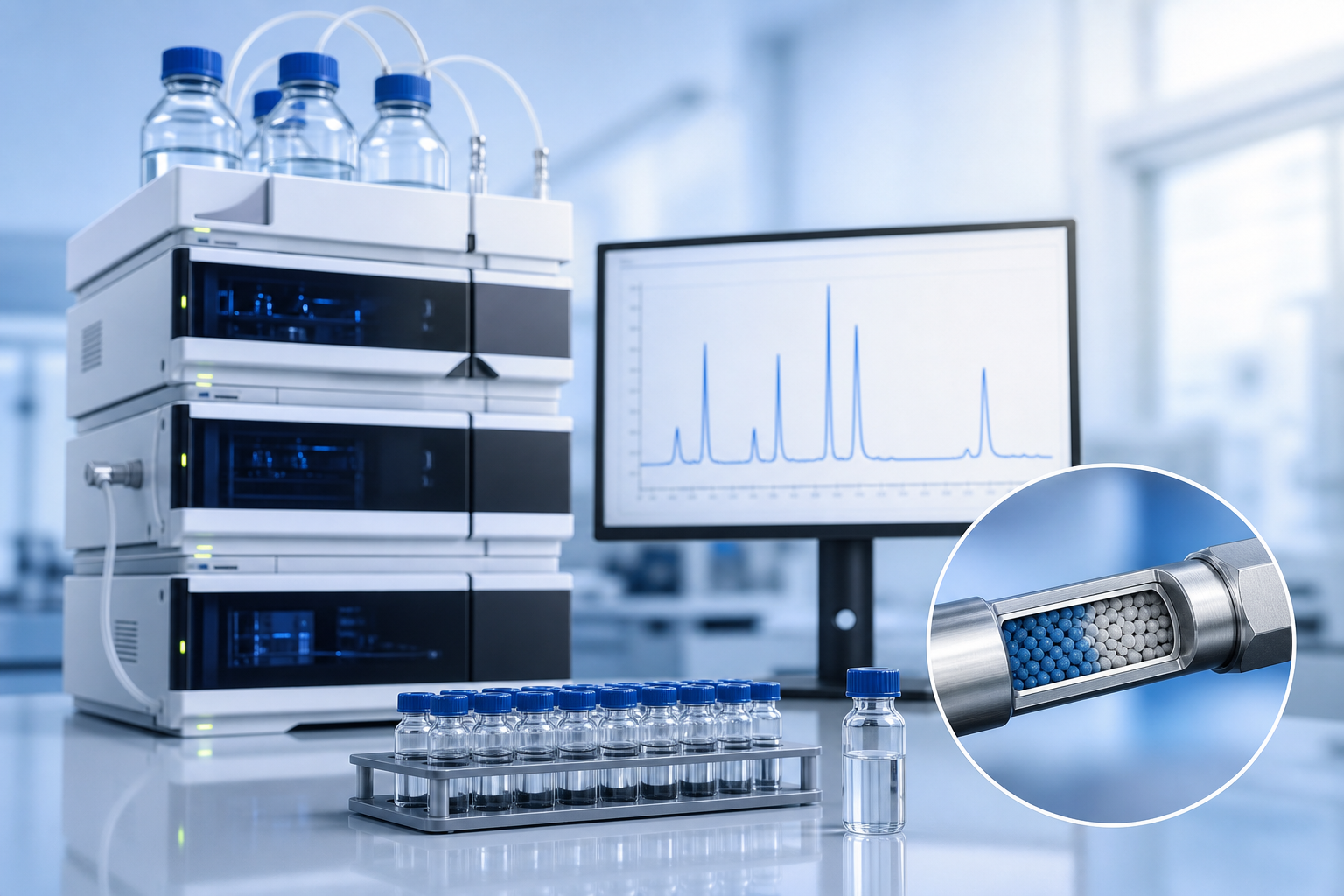
How HPLC Testing Works: Principles, Workflow, and Data Interpretation

2026-06-18T13:26:07+00:00

HPLC testing separates, identifies, and quantifies compounds in liquid samples using a pressurized mobile phase, analytical column, and detector. This article explains the core principles, system components, workflow, and data interpretation behind HPLC analysis.
How HPLC Testing Works: Principles, Workflow, and Data Interpretation2026-06-18T13:26:07+00:00

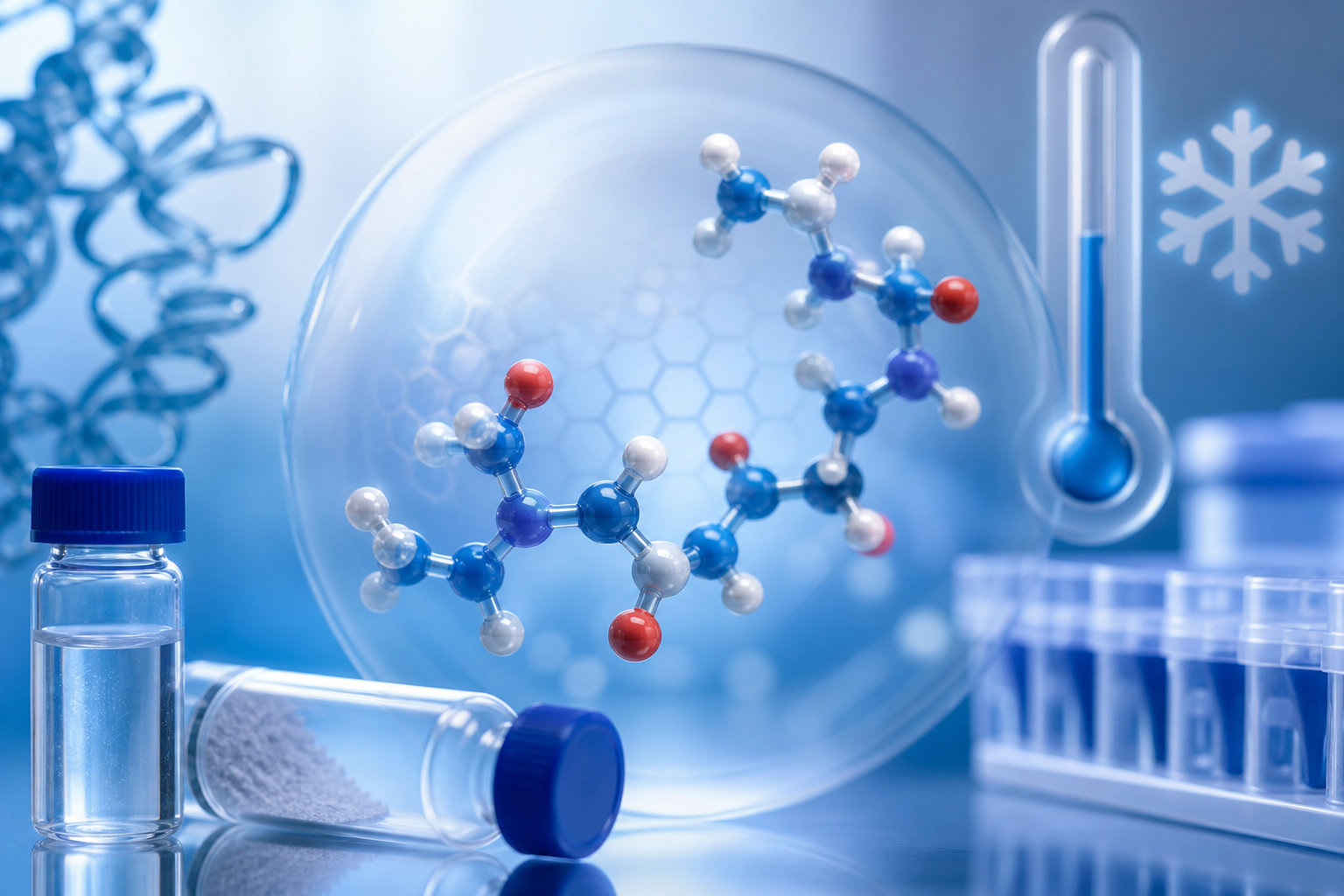
Peptide Stability Factors: Key Considerations for Research and Storage

2026-06-18T01:34:01+00:00

Peptide stability is influenced by sequence, chemical reactivity, formulation, storage conditions, and laboratory handling. Understanding these factors helps researchers maintain peptide quality and reduce experimental variability.

Peptide Stability Factors: Key Considerations for Research and Storage2026-06-18T01:34:01+00:00

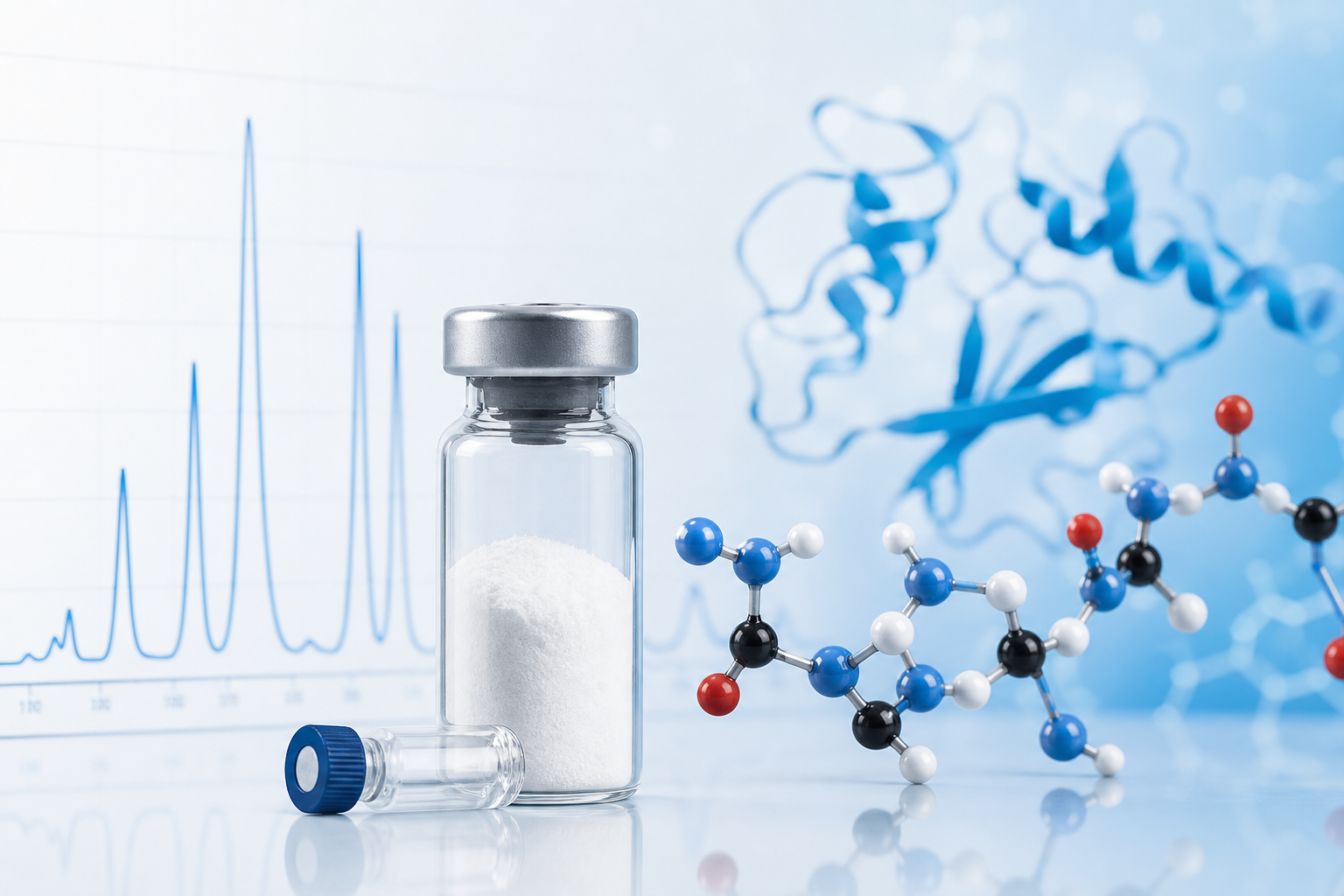
Understanding Peptide Purity Percentages

2026-06-18T01:09:15+00:00

Peptide purity percentages are essential quality indicators, but they do not tell the whole story. Understanding how purity is measured and how it differs from identity, content, and activity helps researchers choose the right grade for each application.

Understanding Peptide Purity Percentages2026-06-18T01:09:15+00:00

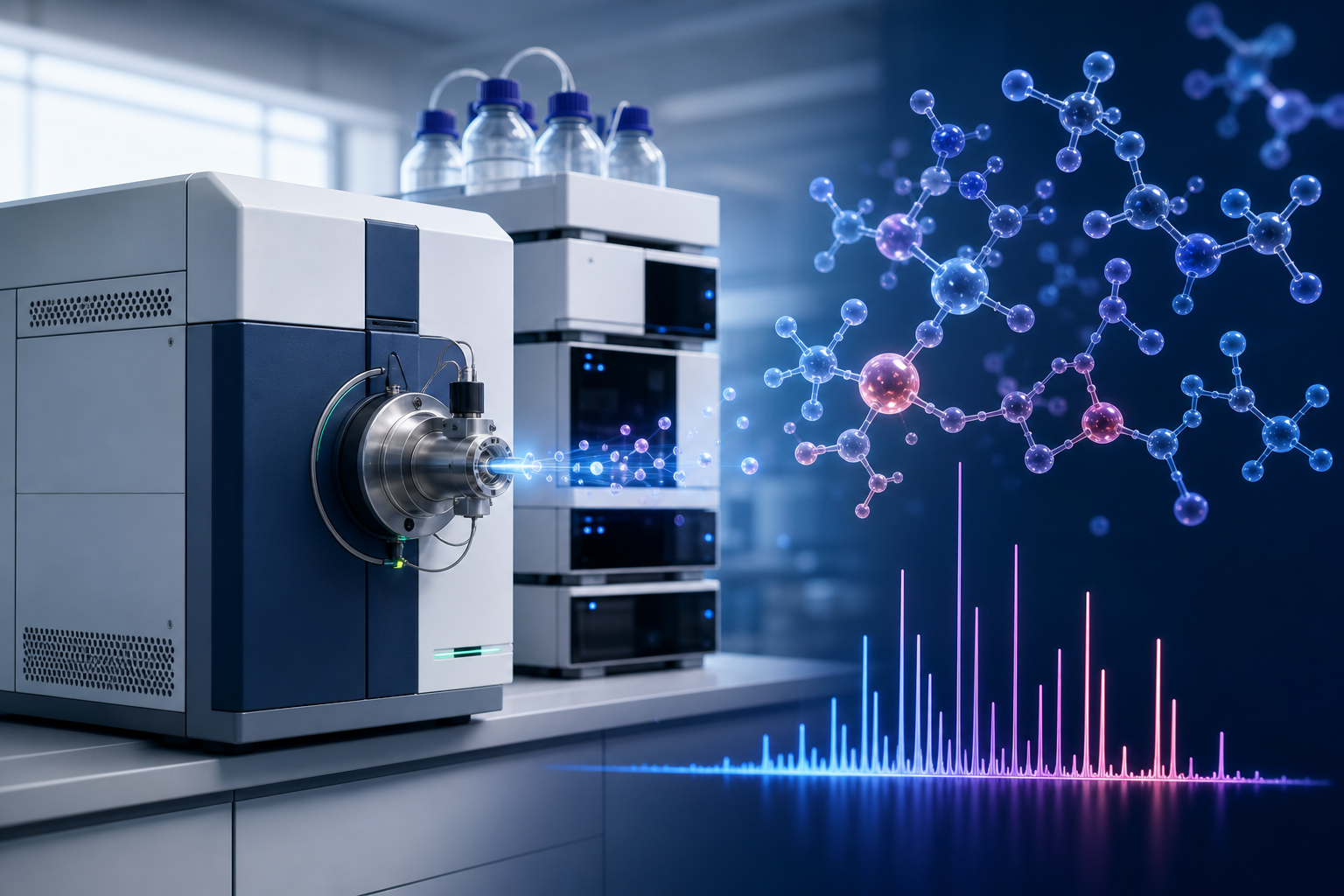
Mass Spectrometry Explained

2026-06-18T00:54:13+00:00

Mass spectrometry measures ions by mass-to-charge ratio to identify, characterize, and quantify molecules. This article explains the main components, workflows, applications, and limitations of MS.

Mass Spectrometry Explained2026-06-18T00:54:13+00:00
Go to Top