
Research Library
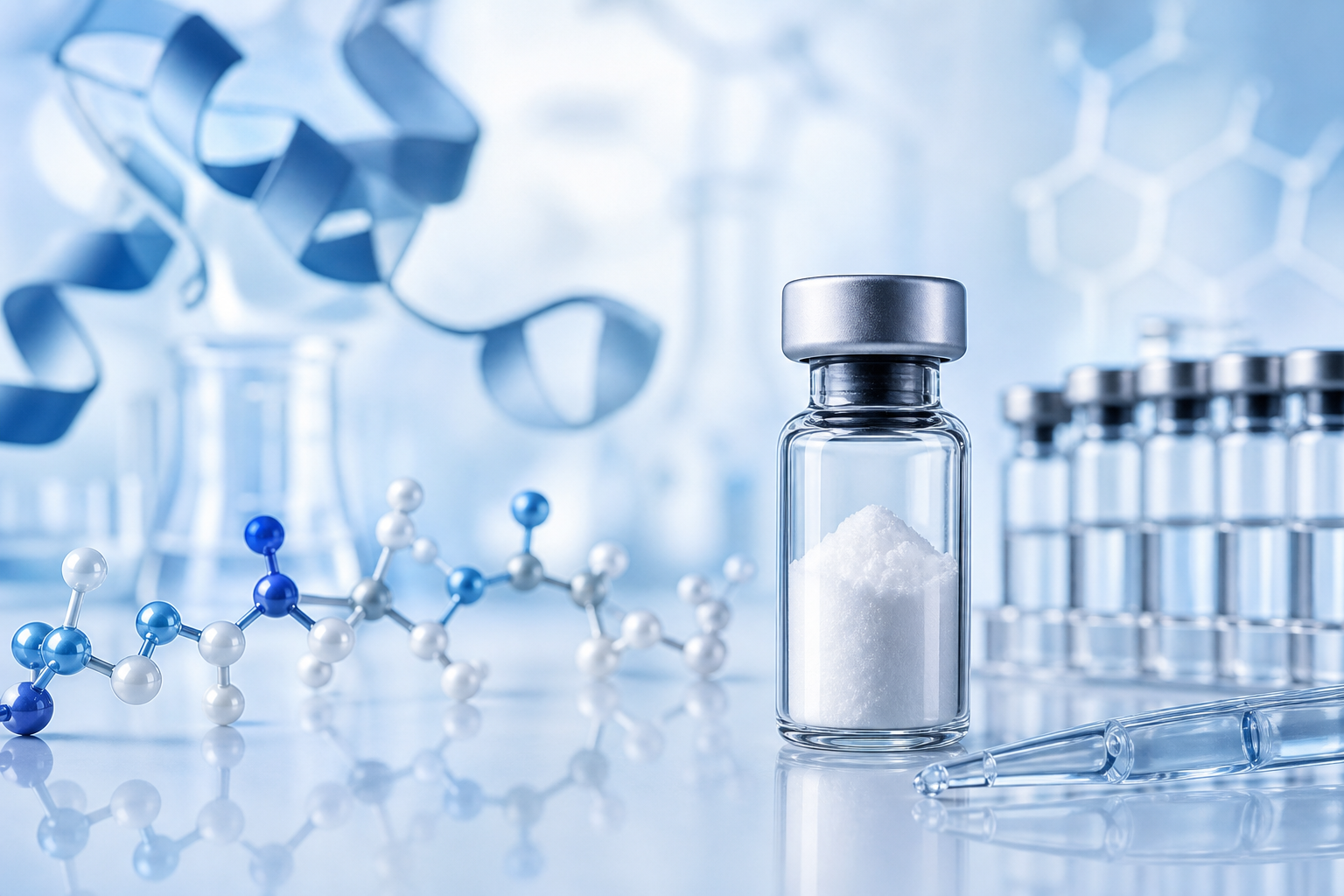
High Purity Peptides Guide
This guide explains how high purity peptides are defined, produced, analyzed, and selected for research applications. It also covers documentation, storage, handling, and common impurity considerations.

Laboratory Inventory Management: Principles, Workflows, and Best Practices
Laboratory inventory management supports reliable research, safety, and compliance by controlling materials from receipt through disposal. This guide outlines practical workflows, data requirements, technology options, and best practices for laboratory teams.
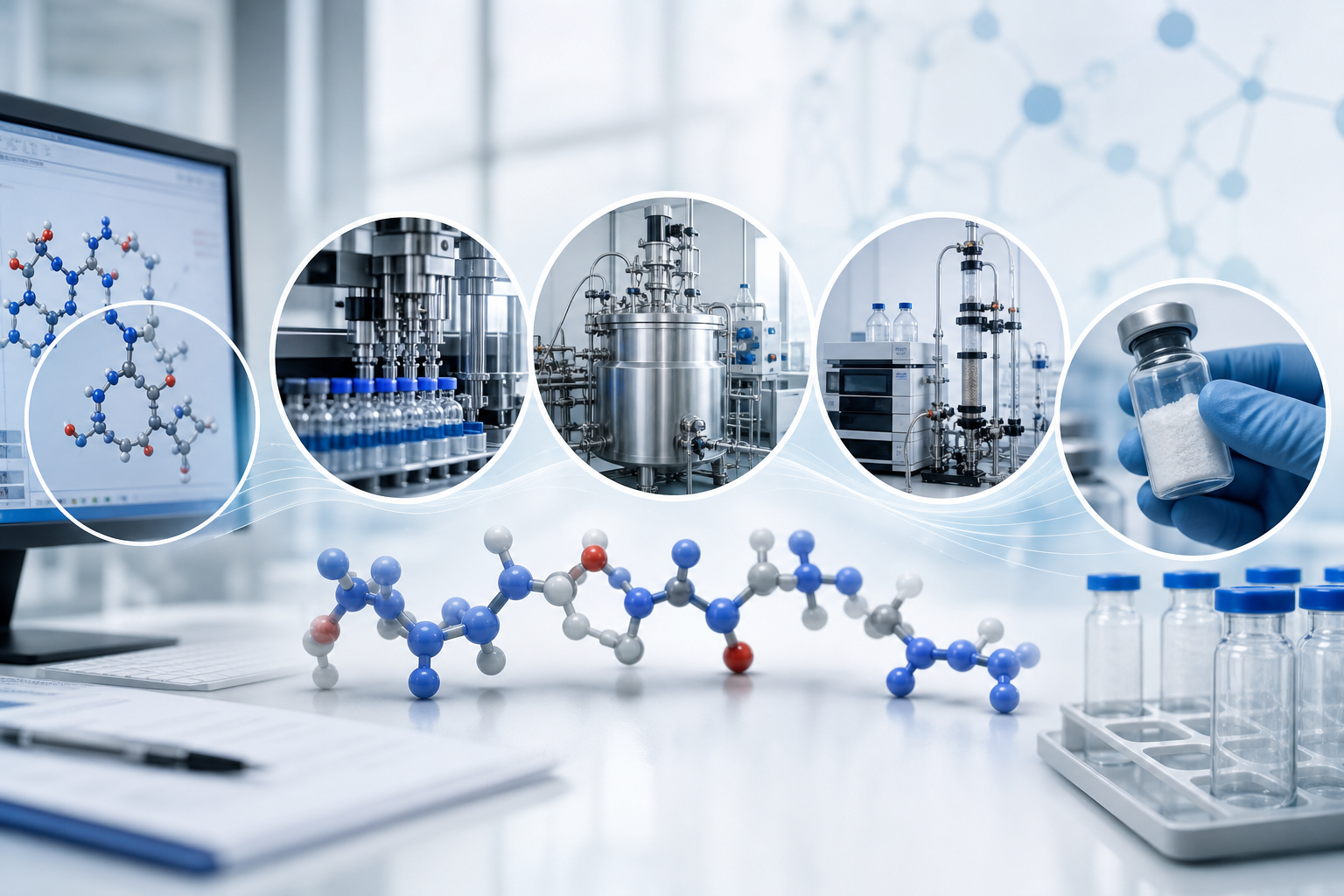
Peptide Manufacturing Process: From Sequence Design to Quality Control
Peptide manufacturing involves controlled synthesis, purification, and analytical testing to produce peptides that meet defined identity and purity requirements. This overview explains the major process steps from sequence design through GMP documentation.
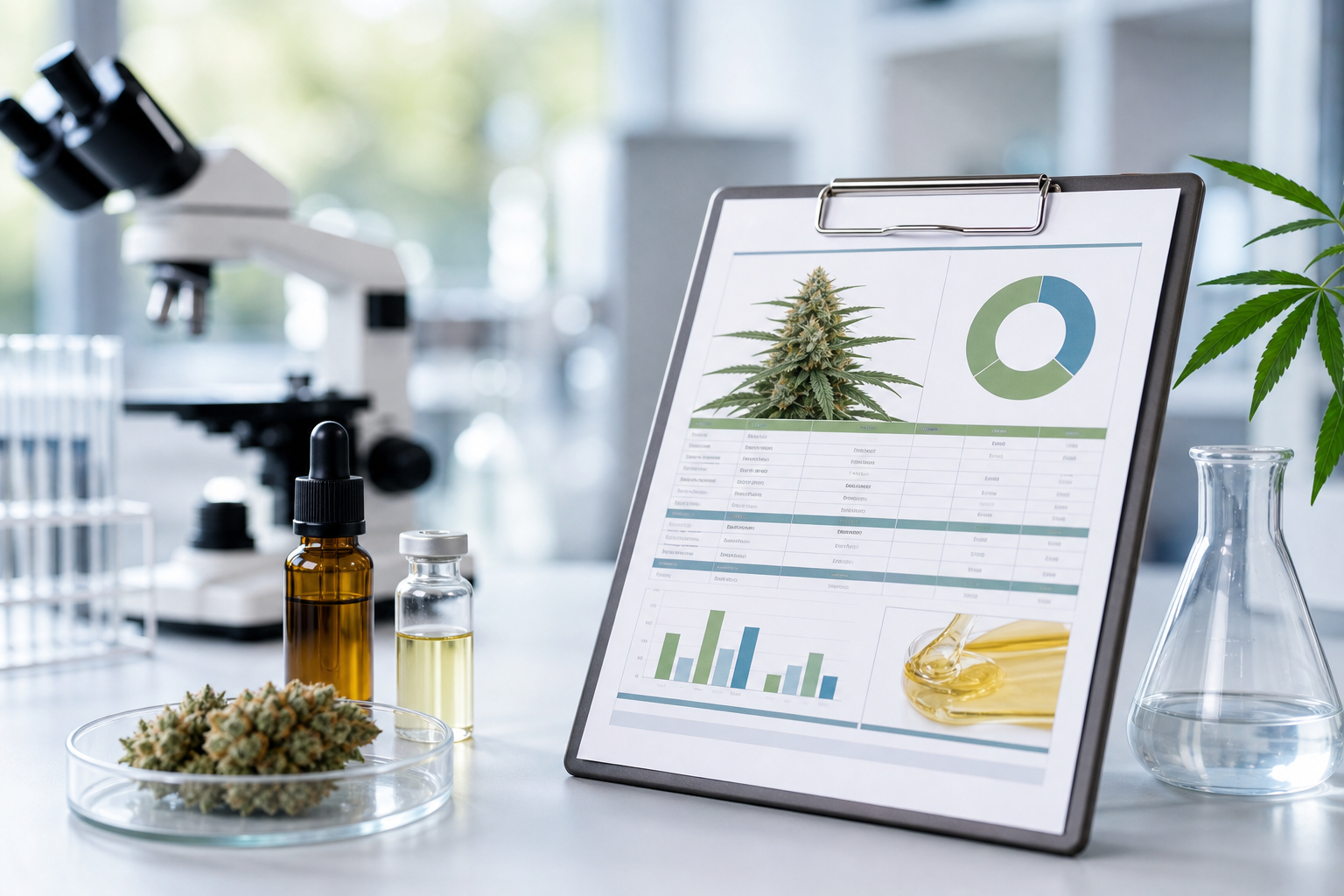
Understanding COA Data: How to Read and Evaluate a Certificate of Analysis
A Certificate of Analysis provides lot-specific quality data for laboratory materials. This guide explains how to interpret COA fields, assess results, and manage records.

Research Material Storage Standards: Practical Guidance for Laboratories
Research material storage standards help laboratories protect sample integrity, maintain traceability, and support reproducible results. This guide outlines practical requirements for storage conditions, labeling, inventory, monitoring, compliance, and safety.

Analytical Methods for Peptide Verification
Peptide verification relies on orthogonal analytical methods to confirm identity, purity, content, and stability-related attributes. This article reviews key techniques including HPLC, LC-MS, amino acid analysis, NMR, and charge-based methods.