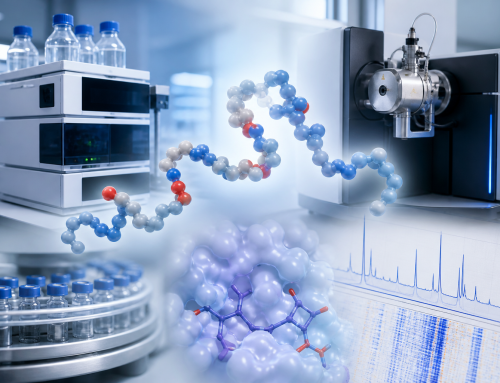

Quality control laboratory testing is a core function in the manufacture, release, and ongoing monitoring of products that must meet defined safety, performance, and regulatory requirements. In sectors such as pharmaceuticals, biotechnology, medical devices, food and beverage, cosmetics, chemicals, and environmental services, quality control testing provides objective evidence that materials and finished products conform to specifications.
A well-designed quality control laboratory does more than generate test results. It supports risk management, process understanding, supplier qualification, batch release decisions, stability programs, investigations, and continuous improvement. The reliability of these decisions depends on scientifically valid methods, trained personnel, controlled procedures, appropriate instrumentation, and data integrity practices.
What Is Quality Control Laboratory Testing?
Quality control laboratory testing refers to the analytical, microbiological, physical, and functional tests performed to verify that raw materials, in-process samples, packaging components, environmental samples, and finished products meet predefined criteria. These criteria are usually established through product development, regulatory filings, pharmacopeial standards, customer requirements, internal specifications, or recognized industry standards.
The purpose of QC testing is not only to detect nonconforming material, but also to confirm consistency. Repeated testing over time can reveal shifts in manufacturing performance, changes in supplier quality, equipment issues, contamination risks, or degradation during storage. As a result, QC laboratories play an essential role in both product release and lifecycle management.
Quality Control vs. Quality Assurance
Quality control and quality assurance are related but distinct functions. Quality control focuses on testing and inspection activities that evaluate materials or products against specifications. Quality assurance is broader and includes the systems, procedures, audits, training, documentation, and governance needed to ensure quality is built into processes. In practice, QC generates data, while QA oversees the quality system that governs how those data are produced, reviewed, and used.
Common Types of Quality Control Testing
Chemical and Analytical Testing
Chemical testing is used to determine identity, purity, composition, concentration, impurities, contaminants, and degradation products. Common techniques include high-performance liquid chromatography, gas chromatography, mass spectrometry, UV-visible spectroscopy, infrared spectroscopy, titration, ion chromatography, inductively coupled plasma analysis, and wet chemistry methods.
In pharmaceutical and biotechnology settings, analytical testing may include assay, content uniformity, related substances, residual solvents, elemental impurities, pH, osmolality, and water content. In food, cosmetic, and chemical laboratories, testing may focus on nutritional components, preservatives, active ingredients, allergens, contaminants, or formulation consistency.
Microbiological Testing
Microbiological QC testing evaluates the presence, absence, or level of microorganisms. Tests may include bioburden, microbial limits, sterility testing, endotoxin testing, antimicrobial effectiveness, environmental monitoring, water system testing, and pathogen detection. These tests are especially important for sterile products, biologics, medical devices, foods, personal care products, and any material susceptible to microbial contamination.
Because microbial contamination can be unevenly distributed and methods can be time-dependent, microbiological testing requires careful sampling, aseptic technique, validated media, appropriate incubation conditions, and clear acceptance criteria.
Physical and Performance Testing
Physical testing assesses measurable properties such as appearance, dimensions, viscosity, hardness, friability, dissolution, particle size, moisture, tensile strength, seal integrity, disintegration, density, and thermal behavior. Performance testing evaluates whether a product functions as intended under specified conditions.
For example, a tablet may require dissolution testing to demonstrate drug release characteristics, while a packaging component may require leak testing or mechanical strength assessment. In many industries, physical and performance attributes are as important as chemical composition because they can directly affect usability, stability, safety, and efficacy.
Stability Testing
Stability testing determines how product quality changes over time under defined storage conditions. It supports shelf-life assignment, storage recommendations, packaging selection, and regulatory submissions. Stability programs may include long-term, intermediate, accelerated, and stress conditions, depending on the product type and applicable guidance.
Typical stability-indicating tests include assay, impurity profile, appearance, pH, dissolution, microbial quality, preservative content, and physical attributes. A scientifically justified stability protocol should define test intervals, storage conditions, sample quantities, methods, acceptance criteria, and procedures for handling out-of-trend or out-of-specification results.
The Quality Control Testing Workflow
Sample Collection and Chain of Custody
Reliable testing begins with representative sampling. Sampling plans should define the material to be sampled, sample size, sampling locations, containers, labeling, storage conditions, and precautions to prevent contamination or degradation. For regulated products, sampling activities should be documented and traceable.
Chain of custody is particularly important when samples move between manufacturing areas, warehouses, external laboratories, or multiple departments. Complete traceability helps confirm that results correspond to the correct batch, lot, material, or study sample.
Method Selection and Verification
QC methods may be compendial, industry-standard, customer-specified, or internally developed. Before routine use, laboratories must demonstrate that a method is suitable for its intended purpose. Depending on the context, this may involve method validation, verification, transfer, or qualification.
Key validation characteristics often include accuracy, precision, specificity, linearity, range, detection limit, quantitation limit, robustness, and system suitability. For microbiological methods, suitability may include recovery, neutralization, growth promotion, method comparison, and absence of inhibitory effects.
Instrument Calibration and Maintenance
Analytical instruments and laboratory equipment must be calibrated, maintained, and operated under controlled conditions. Balances, pipettes, incubators, chromatographs, spectrometers, pH meters, water systems, autoclaves, and temperature-controlled storage units all require defined schedules and acceptance criteria.
Instrument qualification and preventive maintenance reduce the risk of inaccurate results and unexpected downtime. When equipment falls outside defined tolerances, laboratories should assess the impact on previously generated data and determine whether retesting, investigation, or corrective action is required.
Data Review and Result Reporting
After testing, results should be reviewed for completeness, accuracy, compliance with procedures, system suitability, calculations, transcription accuracy, and specification conformance. In regulated environments, data review typically includes both technical review and quality review.
Reports should clearly identify the sample, method, result, units, specification, analyst, date of testing, deviations, and any relevant comments. For outsourced testing, certificates of analysis should be reviewed to confirm that methods, limits, and reporting formats meet the requesting organization’s requirements.
Regulatory and Standards Considerations
Good Laboratory and Manufacturing Practices
Quality control laboratories in regulated industries may be subject to Good Manufacturing Practice, Good Laboratory Practice, ISO standards, pharmacopeial requirements, or other national and regional regulations. These frameworks emphasize written procedures, trained personnel, validated methods, controlled documentation, equipment qualification, deviation management, and independent review.
For pharmaceutical and biologic products, QC testing is closely linked to batch release and regulatory commitments. Test methods and specifications may be included in approved filings, making uncontrolled changes inappropriate without evaluation and, in some cases, regulatory notification or approval.
ISO and Accreditation Requirements
Many testing laboratories operate under ISO/IEC 17025, which specifies requirements for competence, impartiality, and consistent laboratory operation. Accreditation to this standard can provide confidence that a laboratory has appropriate technical controls, quality management processes, and proficiency testing participation.
Other relevant standards may include ISO 9001 for quality management systems, ISO 13485 for medical devices, or sector-specific standards depending on the product and jurisdiction. Selection of applicable standards should be based on product category, market expectations, regulatory requirements, and customer needs.
Data Integrity
Data integrity is a critical element of QC testing. Laboratory records should be attributable, legible, contemporaneous, original, accurate, complete, consistent, enduring, and available. These principles apply to paper records, electronic records, hybrid systems, instrument printouts, chromatographic data, spreadsheets, and laboratory information management systems.
Effective data integrity controls include secure user access, audit trails, version control, backup procedures, review of electronic data, validated computerized systems, and clear rules for data processing. Laboratories should also maintain a culture in which unexpected results are investigated scientifically rather than adjusted without justification.
Managing Out-of-Specification and Out-of-Trend Results
When a result fails to meet specification, an out-of-specification investigation is required. The investigation should determine whether the result reflects a laboratory error, sampling issue, method problem, equipment malfunction, contamination event, calculation error, or a true product quality failure. Retesting should be scientifically justified and governed by a written procedure.
Out-of-trend results may still meet specification but differ from historical expectations. These findings can be valuable early indicators of process drift, supplier variability, stability concerns, or analytical variability. Trend analysis helps organizations detect issues before they become specification failures.
Best Practices for Effective QC Laboratory Testing
Define Clear Specifications
Specifications should be scientifically justified, measurable, and aligned with product requirements. Ambiguous criteria increase the risk of inconsistent decisions. Specifications should include test methods, acceptance limits, units, sample requirements, and any special conditions that affect interpretation.
Use Risk-Based Testing Strategies
Not every material or product attribute carries the same risk. Risk-based approaches help laboratories prioritize testing resources based on potential impact on patient safety, consumer safety, product performance, regulatory compliance, and process control. Reduced testing programs, supplier qualification, and skip-lot testing may be appropriate in some contexts, but they require robust justification and periodic reassessment.
Maintain Competency and Training
Personnel competency is central to reliable testing. Training should cover procedures, theory, safety, instrument operation, documentation practices, data integrity, and investigation expectations. Competency should be evaluated periodically, especially for complex methods, microbiological techniques, and critical release tests.
Monitor Laboratory Performance
QC laboratories should track performance indicators such as turnaround time, invalid assay rates, deviations, repeat testing, instrument downtime, analyst training status, proficiency testing outcomes, and investigation recurrence. These metrics can identify systemic issues and support continuous improvement.
Selecting an External Quality Control Testing Laboratory
Organizations that outsource QC testing should evaluate laboratories carefully. Important factors include technical capability, accreditation status, regulatory inspection history, method experience, capacity, turnaround time, data integrity controls, sample handling practices, communication processes, and quality agreement terms.
A quality agreement should define responsibilities for methods, specifications, deviations, investigations, record retention, change notification, subcontracting, audits, and reporting. Outsourcing testing does not transfer overall responsibility for product quality, so the sponsor or manufacturer must maintain appropriate oversight.
Conclusion
Quality control laboratory testing provides the evidence needed to verify product quality, support release decisions, monitor stability, and maintain compliance. Effective QC programs depend on representative sampling, suitable methods, calibrated equipment, trained analysts, accurate documentation, and rigorous data review. By integrating scientific testing with strong quality systems, laboratories can produce reliable results that support safe, consistent, and compliant products.